Richmond highlight
Diverse industrial
Richmond's post-WWII economy evolved from exclusive shipbuilding into petrochemical refining, pharmaceutical manufacturing, healthcare, and logistics—a diverse industrial base that provides employment resilience and regional economic anchor status.
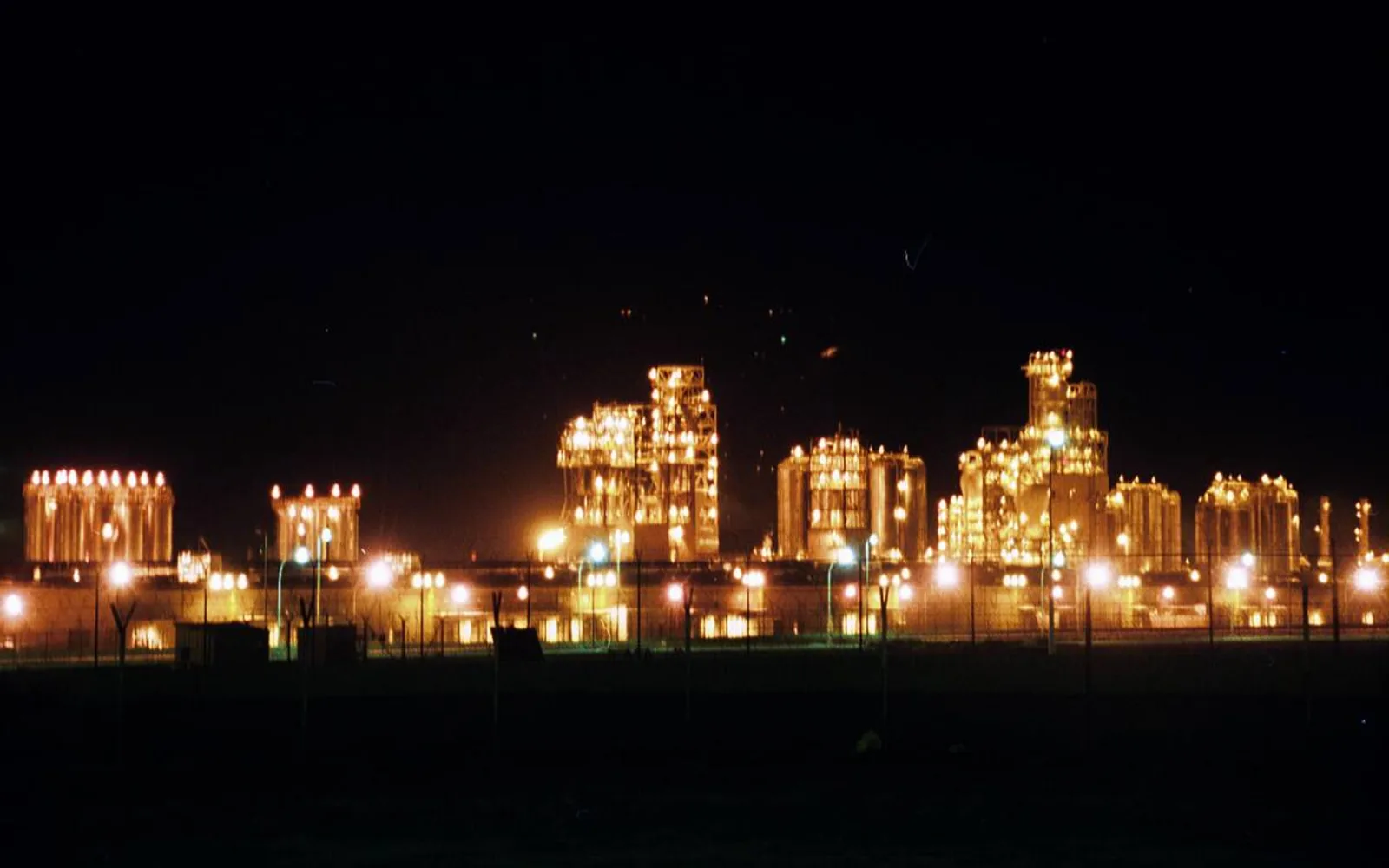
Richmond's industrial character shifted dramatically in the decades following World War II. While the shipyards defined the city's mid-20th-century identity, the post-war economy diversified into petrochemical refining, pharmaceutical manufacturing, healthcare services, and logistics operations. This diversity provides employment stability and insulates the city from dependence on any single industry. Major employers today include Chevron Corporation, with a large refinery complex operating in Richmond; Kaiser Permanente, headquartered in nearby Oakland with regional operations; and United Parcel Service, with a major logistics hub. These employers draw workers from throughout the Bay Area and beyond, making Richmond a regional economic center rather than a single-industry city.
This economic evolution required significant capital investment in infrastructure and workforce development. Richmond's port facilities were upgraded to handle containerized cargo and petrochemical transport. The city's strategic location—at the intersection of two bays, connected by rail and highway to regional and national networks—positioned it well for modern logistics and refining operations. Industrial corridors alongside the waterfront and in inland areas reflect decades of reinvestment and community adaptation. Contemporary Richmond offers employment pathways across multiple industries and skill levels, from refinery operations to medical services to warehouse and transportation work.
In a city built on multiple industries, Richmond's households depend on different employers and face different economic pressures. One family may depend on refinery operations, another on hospital staffing, another on logistics employment. Each faces different risks, different income volatility, and different financial needs. Life insurance planning in a diverse industrial city means understanding that economic security rests not on stability alone, but on intentional financial choices: income replacement during disability or death, mortgage protection while the earning years are active, and a bridge to retirement or milestones beyond. Term life insurance is one piece of that foundation, providing families with control over a dimension of their future that they cannot predict.