Richmond highlight
San Francisco Bay waterfront
Richmond sits at the confluence of San Francisco Bay and San Pablo Bay with 32 miles of waterfront—more than any other Bay Area city—providing residents direct access to the region's largest natural feature.
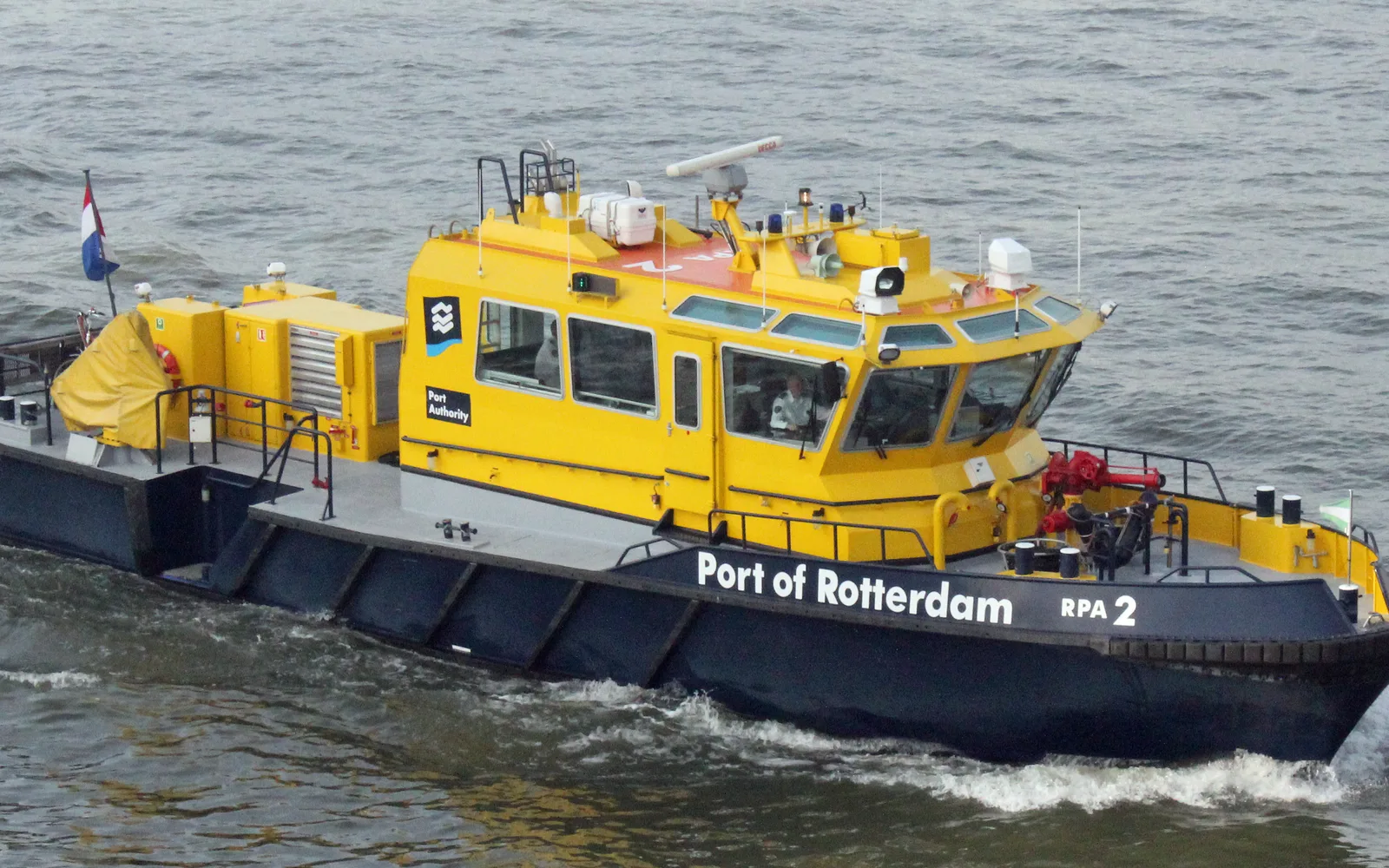
Richmond occupies a unique geographic position where San Francisco Bay meets San Pablo Bay, making it one of only two California cities to border both bodies of water. The city's 32 miles of waterfront represent the longest shoreline of any municipality in the San Francisco Bay Area. This waterfront district anchors Richmond's public spaces, with parks, trails, and access points connecting residents and visitors to the water. Since the city's incorporation in 1905, the bay has shaped Richmond's climate, economy, and identity—from the shipyard era through the industrial decades that followed.
The waterfront today serves multiple purposes in Richmond's landscape. Historic shipyard buildings from the 1940s stand alongside contemporary recreational spaces where families walk, bicycle, and fish. The bay continues to support commercial shipping and marine habitat for migratory birds and other wildlife. From the water's edge, vistas extend across to the Golden Gate Bridge and Marin County, connecting Richmond to the larger geography of the Bay Area. Seasonal weather patterns and the rhythm of tides create a distinctive sense of place—the morning fog rolling in from the Pacific, the clear afternoons, the shimmer of water under different light.
For Richmond families, the waterfront represents both continuity and belonging. Parents bring children to waterside parks, teenagers discover favorite cycling routes, and multigenerational households build memories along the same water that sustained the region through war and growth. These everyday rituals—the weekend visits, the commute past the bay, the time spent watching ferries—form the backdrop of ordinary life. Protecting the ability to continue those family routines is where life insurance planning begins: ensuring that the household stays intact, that the mortgage is secure, that children and partners have stability even if the income earner cannot work.